Monte Nido Miami residential treatment Miami
Monte Nido Miami residential treatment Miami serves women only in South Miami, Florida. The center holds Joint Commission accreditation and reports 16 to 30 beds at 6100 SW 76th Street. Here is what it offers and how a free helpline call can help you check availability.
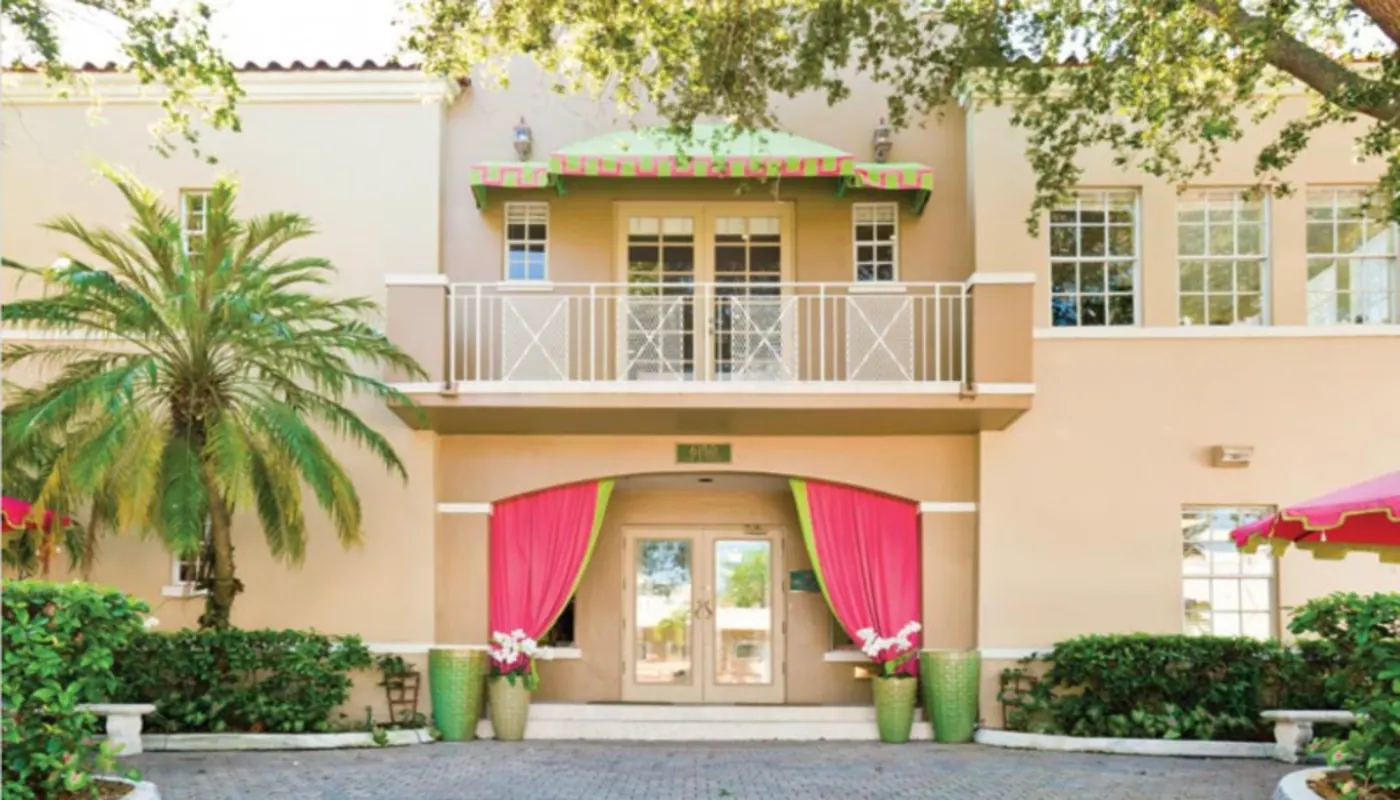



Monte Nido Miami Residential Treatment is a residential rehab for women in Miami, Florida, at 6100 SW 76th Street. The program began in 2008 and holds Joint Commission accreditation. It was previously known as Oliver-Pyatt Centers, and it treats eating disorders alongside other mental health conditions in a structured, home-like setting.
Treatment here pairs clinical work with daily living support. Residents take part in individual and family sessions, group work, and structured meals, and the center describes exposure-based outings and mindful eating as part of the day. Clients stay in apartments in residential South Miami, usually two to an apartment, with transportation to the nearby facility.
The center describes its method as team-based, and it treats planning for life after discharge as part of the work, not only the time in residence. Counseling looks at a person's relationship with eating, how they see their body, their relationships, and their sense of identity, while clients make plans for what comes next. Our helpline is not affiliated with the center. Trained advisors answer calls around the clock and connect callers to licensed providers; there is no charge and what you say stays private.
Programs and therapies here in Miami
The center lists two levels of care, residential rehab and outpatient, within a program built for women only. Residential care suits someone who needs daily structure and meal support, while outpatient may follow a residential stay or serve women who can manage treatment around home life. A clinician decides which level fits, and the difference usually turns on how much daily support a person needs.
Therapy options include acceptance and commitment therapy dialectical behavior therapy motivational interviewing cognitive behavioral therapy and enhancement therapy, family therapy, group therapy, and psychoeducation. The center refers to its approach as evidence based, holistic, and planned for each person. It specializes in eating disorders and trauma, and treats conditions such as anxiety, depression, and bipolar disorder along with OCD, PTSD, codependency, and stress. Alcohol use and co-occurring disorders are on the list as well, so a dual diagnosis can be addressed in one setting.
- Individual Treatment
- Cognitive Behavioral Therapy
- Dialectical Behavior Therapy
- Evidence-Based
- Family Therapy
- Group Therapy
- Psychoeducation
- Motivational Interviewing and Enhancement Therapy (MET)
- Acceptance and Commitment Therapy (ACT)
- Holistic
Who this program is built for in Miami
- Women only, per the center's own listing, which is a condition that changes who should call.
- Women with eating disorders, listed as a specialization alongside trauma.
- Women who live with anxiety, depression, bipolar disorder, OCD, PTSD, stress, or codependency.
- Women who are dealing with alcohol use or with mental health conditions that occur alongside addiction and substance use conditions.
- Women who need a residential level of care with meals, groups, and daily clinical support.
Stay duration, size, and setting
Most programs last 30 or more days, and the center reports 16 to 30 beds. Residents share modern two-bedroom apartments in South Miami, typically two people per apartment, and transportation to the treatment facility is provided. Amenities include access to nature, an outdoor lounge, shared or private rooms with air conditioning and cooking classes. English is the language listed, and the listing offers four photos. If 30 days does not suit your situation, ask about a longer stay before you commit, because eating disorder care often extends beyond a month.
Paying for treatment here in Miami
There are out-of-pocket rates, and its description says most private insurance plans are accepted. Being listed and having insurance do not equal coverage, so call the number on your card and ask whether residential eating disorder care at this Miami address is in network. If you would like help with that check, our helpline can go through it with you; the call is free, private, and does not require you to enroll anywhere.
What to ask before you enter care
- Does my plan pay for residential eating disorder care at this location, and how much out-of-pocket would I owe?
- How do you decide between residential and outpatient care for someone in my situation?
- What does a typical day include, from meals and groups to individual sessions?
- How do you handle alcohol or drug withdrawal if it comes up during treatment?
- What aftercare planning do you offer for the weeks after discharge?


More options near Miami
-
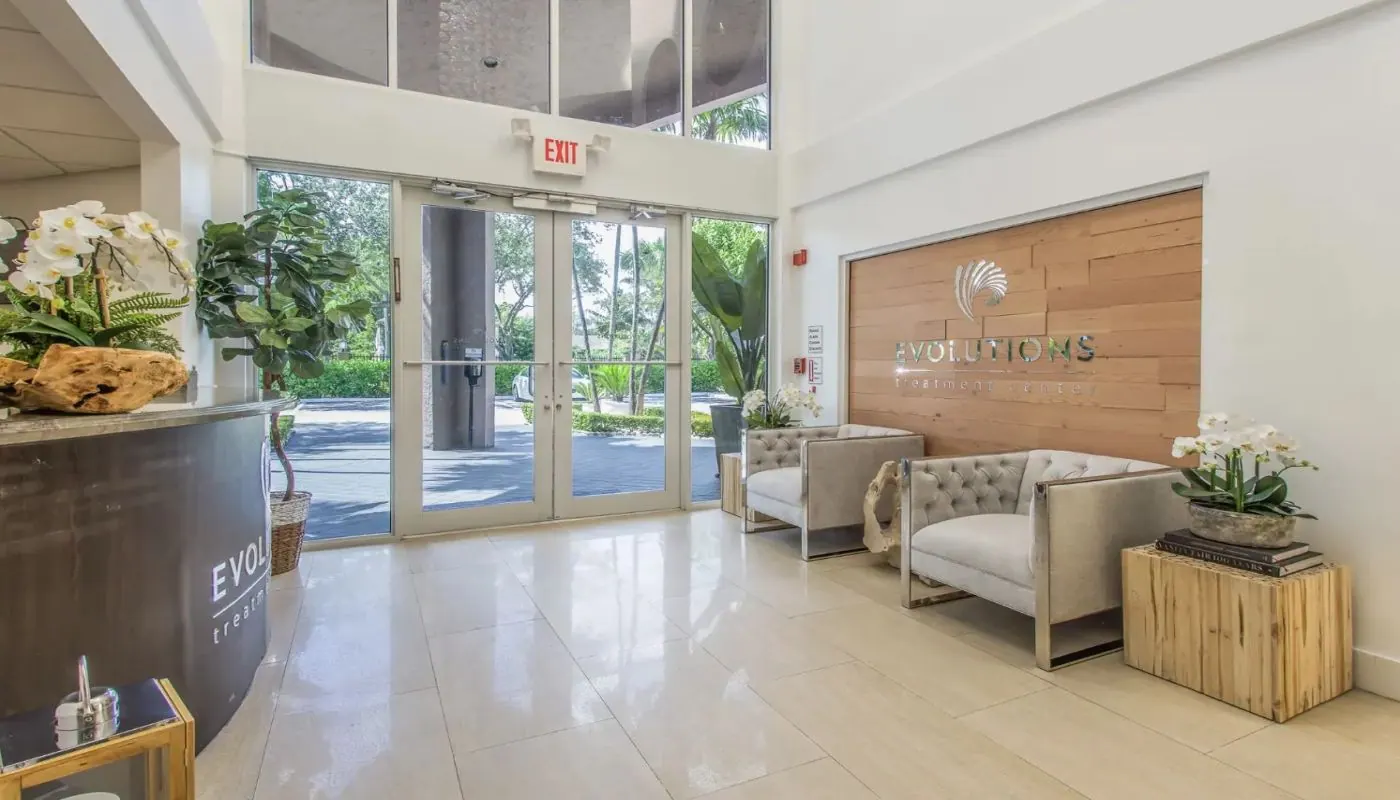
Miami, FLTypical stay 90 days31-50 beds
- Detox
Evolutions Treatment Miami is a Joint Commission-accredited center in Miami, Florida.
-

Summer House
5.0/5975 Google reviews
Miami, FLTypical stay 7+ days6-15 beds
- Detox
Summer House Miami provides medical detox in a small, home-like setting.
-
Miami, FLTypical stay 5 days31-50 beds
- Co-Occurring Mental Health
AWA Miami is an outpatient program for adolescents in Miami, Florida.
-
Two Chairs Miami
3.3/59 Google reviews
Miami, FLTypical stay 90 days
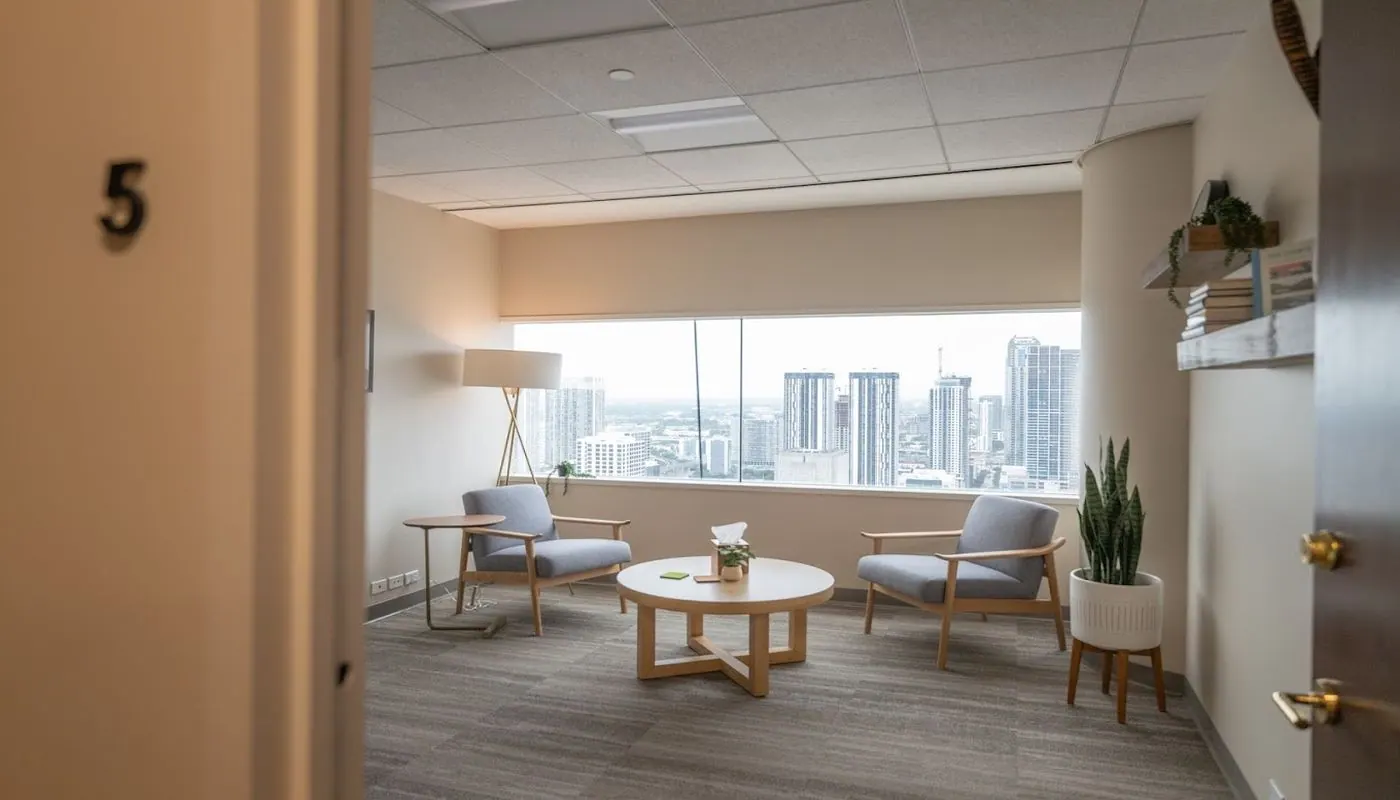
Two Chairs Miami is a counseling center in downtown Miami.
-
Coral Community Mental Health Center
5.0/524 Google reviews
Miami, FLTypical stay 5 days
- Outpatient
Coral Community Mental Health Center Miami is an outpatient clinic located at 2141 SW 1st Street, #103.
-

Miami, FLTypical stay 30+ days
- Co-Occurring Mental Health
- Outpatient
Vita Recovery Miami is an outpatient addiction treatment center in Florida.

FAQ
How long does someone typically stay in Monte Nido Miami residential treatment Miami?
The typical program length listed is 30 or more days. Eating disorder and trauma care sometimes takes longer, so ask the center how discharge dates are set. If 30 days does not match your situation, then ask about a longer stay before you commit. Before you call the center yourself, the helpline can help you ask about length, availability, and coverage.
Is Monte Nido Miami residential treatment Miami accredited?
The center holds Joint Commission accreditation and has kept it since opening in 2008. That is a useful detail when weighing programs against each other, because accreditation means an outside body reviews how safety and care are handled. Before admission, you can confirm the current standing through the Joint Commission's own lookup tool. Accreditation says nothing about how any one person will do, so keep asking your own questions too.
Who does this Miami residential program serve?
The center lists women only, with eating disorders and trauma as specializations. It also treats anxiety, depression, bipolar disorder, OCD, PTSD, stress, and codependency, plus alcohol use and co-occurring disorders. If you do not fit that description, then look at other Florida programs. Our helpline can point to options near Fort Lauderdale, where SAMHSA lists 93 facilities across the area.
What if I need alcohol detox before residential care?
This center lists residential rehab and outpatient care, though medical detox is not listed, so ask about withdrawal before you are admitted. Stopping alcohol and benzodiazepines can become dangerous, and a clinician should decide whether medical monitoring is needed beforehand. When detox comes first, treatment can begin once you are stable. The helpline can help you locate a detox option in South Florida and then check whether a bed is open here.
Are all rehabs inpatient, and which level of care does this center offer?
No. Rehabs vary, and this center lists residential rehab and outpatient care rather than inpatient hospital care. If you need daily medical monitoring, then a hospital-based setting may fit better. Residential care here means apartments in South Miami with structured days, groups, and meal support. A clinician decides which level fits, so ask how that decision gets made for you.
Is it allowed to bring alcohol on the beach in Fort Lauderdale?
That is a local rule question rather than a treatment one, so check with the city before you plan a beach day. The more useful question for this page is whether a residential program fits your situation at all. If you are weighing treatment, then call the helpline and ask about levels of care near Fort Lauderdale and Miami. Advisors can help you compare options without pressing you toward any one center.